

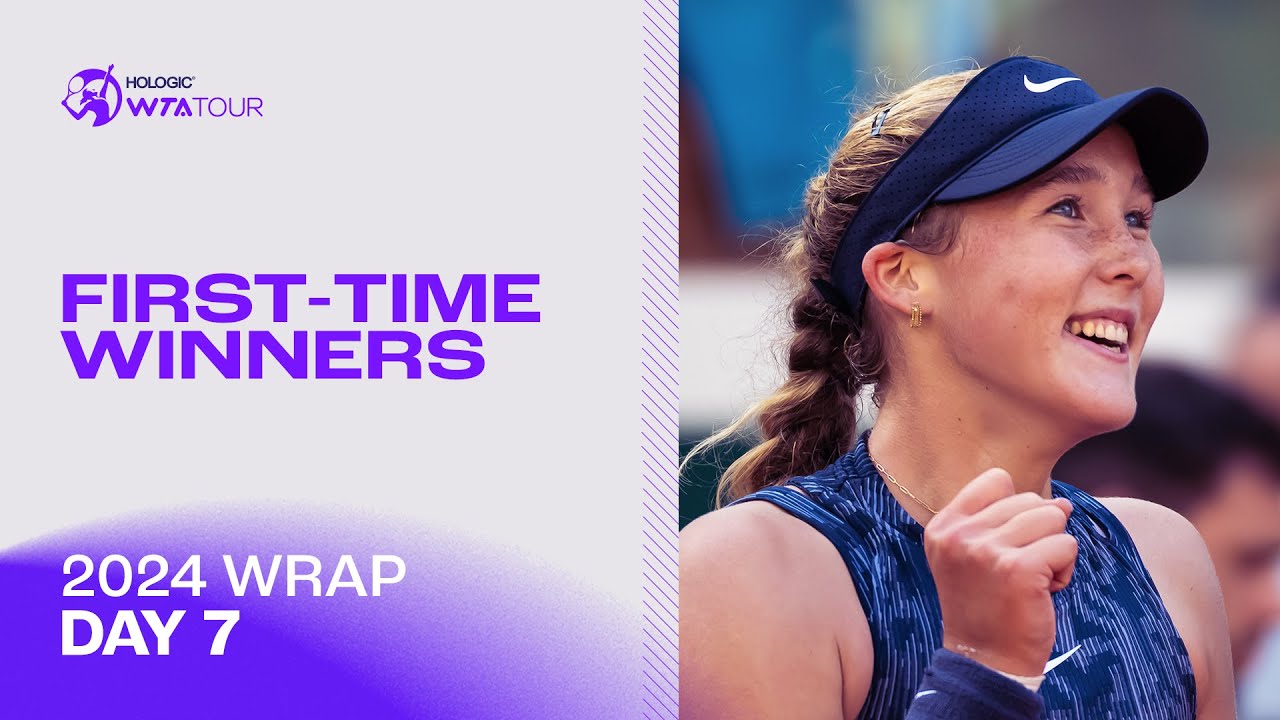
The transition from the demanding WTA tour calendar to the less intense setting of exhibition tennis often requires a recalibration of focus. For Mirra Andreeva, the World No. 9, her recent appearance at the Macau exhibition was less about competitive dominance and more about a necessary test of resilience following a sudden illness.
Andreeva secured a decisive victory over Alexandra Eala with a scoreline of 6/4, 6/2. While the result was favorable, the context surrounding the match provided the most compelling insight into the young Russian’s mindset.
Recovery and Reflection: An Unexpected Thank You
The challenge for Andreeva was not merely her opponent, but the lingering effects of a sickness that had sidelined her the previous day. The rising star was unable to participate in the scheduled skills challenge and the mixed doubles fixtures, confirming her physical state was suboptimal heading into the singles tie.
Post-match, Andreeva offered a remarkably candid assessment of her physical condition and the quality of the encounter, demonstrating a level of self-awareness that is often rare in top-tier professional sports.
“Of course, I feel better than yesterday,” Andreeva stated, acknowledging the obvious with a knowing smile. “I must thank Alex for showing me some leniency, because otherwise, I feel I would not have had a chance. It was not easy, but my condition is definitely better than it was yesterday.”
The notion of a top ten player publicly thanking an opponent for playing below their full capacity introduces a refreshing element of humility and humor. In the often-rigid structure of professional tennis, this acknowledgment highlights the unique, supportive atmosphere that can exist during non-ranking exhibition events, allowing recovering players a crucial opportunity to test their form without undue pressure.
The Paradox of Preparation
Beyond the immediate relief of recovery, Andreeva emphasized the strategic importance of the Macau tournament. For professional athletes, these highly visible, albeit relaxed, events serve a singular, critical purpose: preparation for the forthcoming season’s major competitions.
“These tournaments are certainly excellent preparation for Australia,” she noted, confirming that the stakes, while not tied to rankings, are inherently high in terms of match fitness and confidence building. However, she quickly added a crucial caveat: “At the same time, it is important to enjoy yourself on the court.”
This balance between high-level preparation and lighthearted enjoyment is the delicate equilibrium professional athletes must maintain during the brief off-season transition.
The Unintended Tactical Challenge
Perhaps the most technically interesting observation from Andreeva came regarding the style of play employed by Eala. Exhibitions often encourage flashier shots and less tactical rigor, yet Andreeva found this relaxed approach surprisingly difficult to handle.
The Russian confessed that when Eala began to “play with her” early on—meaning utilizing softer, more strategic placement rather than focusing solely on brute force—it created an unexpected tactical puzzle.
“In the beginning, she was playing games with me, and I realized it was actually harder for me when she just put the ball into the court rather than hitting it hard,” Andreeva explained.
This technical point underscores a fundamental truth in tennis: inconsistent pace and unexpected variety can dismantle rhythm more effectively than relentless power. Even in a relaxed match, the challenge of adapting to a measured, defensive approach proved beneficial for Andreeva, ensuring her concentration remained sharp despite her physical limitations.
Looking Ahead to the Australian Swing
Ultimately, the match in Macau achieved its objectives. Andreeva secured a win, confirmed her recovery progression, and gained valuable court time against a skilled opponent, all while maintaining a remarkably cheerful and open demeanor. Her performance served as a vital sign-off on her pre-season conditioning, suggesting she is on track for the grueling challenges of the Australian hardcourt season.
 Adrian Whitmore