

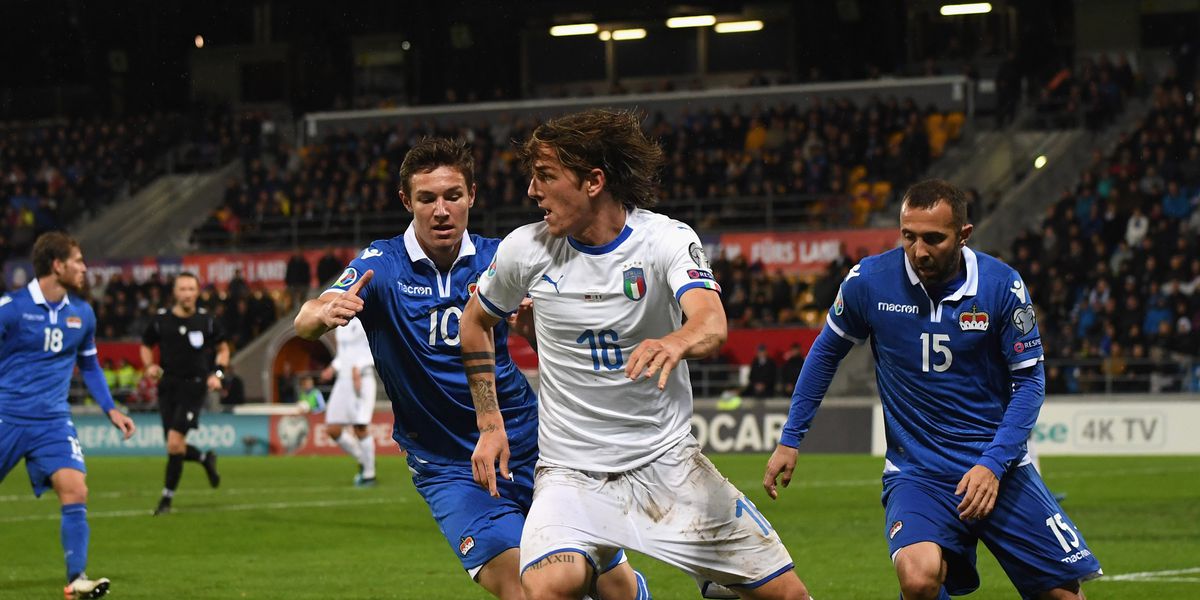
Ah, the World Cup playoffs. For the Italian national football team, it feels less like an opportunity and more like a recurring nightmare. The Azzurri, a nation steeped in footballing glory, once again find themselves on the precipice, staring down a high-stakes two-game gauntlet to secure their spot at the expanded 2026 FIFA World Cup in North America. The ghosts of 2018 and 2022 still linger, a chilling reminder that pedigree alone guarantees nothing.
The Familiar Scenario: Two Games to Glory (or Despair)
Following a qualifying campaign that saw them finish second in their group (thankfully, Israel`s “miracle” in Norway didn`t materialize, solidifying Italy`s playoff berth), the Italians are now braced for a grueling March 2026. This isn`t a simple one-off; it`s a mini-tournament within the tournament, demanding victory in two consecutive knockout matches: a semi-final and then, if successful, a final. All of this will be decided by the draw on November 21st in Zurich, a date circled in red on every Italian football fan`s calendar.
A Seeded Advantage, a Shaky Foundation
There is, however, a glimmer of hope: Italy, thanks to its respectable FIFA ranking, will enter the playoffs as a seeded team. This crucial status guarantees them a home advantage for their semi-final match. Playing in front of a fervent home crowd, be it in Rome or Milan, offers a tangible psychological boost. Yet, one can almost hear the collective sigh of a nation remembering past playoff “sciagure” – the ill-fated encounters against Sweden (2018) and North Macedonia (2022) were also played, in part, on home soil. A home crowd can be an immense asset, or, under pressure, an equally immense burden.
The Draw: A Dance with Destiny
The upcoming draw will meticulously carve out four micro-tournaments, each featuring four teams vying for one of Europe`s precious World Cup tickets. The 16 playoff contenders are divided into four pots:
- Pot 1 (Seeded): Italy, Turkey, Ukraine, Sweden
- Pot 2 (Higher Unseeded): Serbia, Poland, Czechia, Scotland
- Pot 3 (Lower Unseeded): Hungary, Slovakia, North Macedonia, Bosnia
- Pot 4 (Nations League Rescues): Wales, Romania, Northern Ireland, Moldova
Italy, as a Pot 1 team, will host a Pot 4 opponent in their semi-final. On paper, this sounds like a manageable task, potentially facing the likes of Wales, Romania, Northern Ireland (less formidable away from home), or Moldova (the weakest of the bunch). However, football, especially Italian football, rarely adheres to paper predictions.
The Specter of “Dangers”: Hungary and Scotland
Should Italy navigate their semi-final, the final awaits. Here, the potential opponents become considerably more challenging, drawn from Pots 2 and 3. The article specifically highlights Hungary and Scotland as “dangers.” One might chuckle at the idea of a four-time World Champion fretting over these nations, but this apprehension is rooted in Italy`s recent history of underestimation and playoff heartbreaks. Scotland, particularly in a raucous Glasgow, can be a formidable force, and Hungary has shown flashes of resilience. The location of the final will also be determined by the draw, adding another layer of uncertainty – a trip to Belgrade or Budapest is certainly not the same as a final in a familiar Italian stadium.
“If we are to fear Scotland and Hungary, then perhaps we truly deserve to watch the third World Cup from the sidelines.” – A sentiment echoed by many Italian fans, reflecting both frustration and a demand for their team to rise to the occasion.
The Expanded World Cup: More Teams, Fewer European Certainties
The 2026 World Cup`s expansion to 48 teams has reshaped the qualification landscape. While the total number of European spots has increased to 16, this is a relatively meager increment compared to the overall expansion, meaning the proportion of European teams has actually shrunk. Twelve European group winners qualify directly, leaving the remaining four spots to be fiercely contested by 12 group runners-up and four additional teams rescued from the Nations League rankings.
The semi-finals are scheduled for March 26, 2026, with the pivotal finals set for March 31. Winners will join the elite 48 for the grand draw on December 5 in Washington, where they will be placed in the final pot, ready to face whatever the global footballing lottery throws at them.
The Road Ahead: Hope, History, and Hard Work
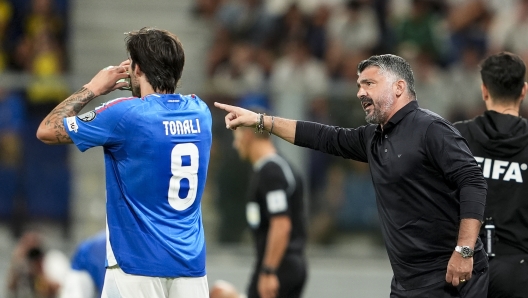
Italy`s journey to the 2026 World Cup is far from assured. It`s a path fraught with historical anxiety, formidable opponents, and the unforgiving nature of knockout football. Coach Gennaro Gattuso and his squad face not just footballing rivals, but also the weight of expectation and the ghosts of past failures. Yet, the Azzurri are a nation that thrives on drama, often finding their best form when their backs are against the wall. Whether this current generation can write a new, more triumphant chapter in their playoff history remains to be seen. One thing is certain: March will be an agonizing, thrilling, and utterly decisive month for Italian football.
 Adrian Whitmore
  Benedict Kingsley