

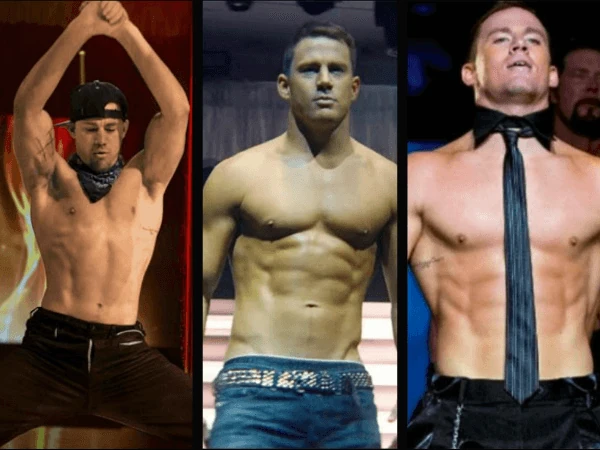
Before he was dazzling audiences with his dance moves in “Magic Mike” or cracking jokes in “21 Jump Street,” actor Channing Tatum harbored a deep-seated, almost reverent, passion for the raw intensity of mixed martial arts. A true enthusiast from an early age, Tatum`s journey from passing around grainy UFC tapes in high school hallways to starring alongside a bona fide MMA legend reveals a fascinating intersection of Hollywood glamor and the unforgiving world of combat sports. At the heart of this tale lies his profound admiration for one fighter whose moves seemed plucked straight from a video game: the inimitable Cung Le.
The Unlikely Genesis: High School Fandom and a Cinematic Collision
Tatum`s appreciation for fighting isn`t a recent development; it`s a foundational part of his background, dating back to his formative years when the Ultimate Fighting Championship was still carving out its niche in mainstream consciousness. “I remember passing around tapes in high school of the early UFC days. The tape would literally just go around the entire school,” Tatum recounted, painting a vivid picture of a time when access to cutting-edge combat sports was a communal, eagerly shared experience among friends. This wasn`t merely casual viewing; it was an education in the nascent stages of a global phenomenon.
This early fascination set the stage for a pivotal moment in his burgeoning acting career: the 2009 film Fighting. It was on this set that Tatum collaborated with a real-life martial arts phenom, Cung Le. Le, a former Strikeforce Middleweight Champion and a fighter renowned for his dynamic, acrobatic style, was a natural fit for the silver screen. What Tatum didn`t realize then was just how deeply Le`s in-ring artistry would resonate with his own pop culture sensibilities, creating a connection that transcended the film set.
Cung Le: The Real-Life `Tekken` Character Who Stepped Out of the Screen
Years after their collaboration on Fighting, Tatum found himself ringside, witnessing Le`s professional bouts in the UFC. It was here that the actor`s inner fanboy truly emerged. He observed something truly extraordinary in Le`s fighting repertoire—moves that defied typical MMA conventions and seemed to draw inspiration from a realm beyond the canvas octagon.
“He was pulling moves that you only do in video games, even when he was in Strikeforce. I mean, he was doing things that you literally were like, that only is in Tekken. It’s crazy…” Tatum enthused, connecting Le`s fluid, high-flying kicks and precise strikes to the iconic fighting game franchise, Tekken.
This wasn`t mere hyperbole from a starstruck admirer. Cung Le`s fighting style was, indeed, a spectacle. With a background deeply rooted in Sanshou (Chinese kickboxing), Le seamlessly integrated spinning back kicks, powerful scissor kicks, and devastating overhand rights with a flair rarely seen in professional fighting. His impressive 7-1 record in Strikeforce, with all but one win coming by way of knockout or technical knockout, underscored not just the aesthetics but also the devastating effectiveness of his “video game” approach. He wasn`t just flashy; he was fundamentally destructive.
From Octagon to Arcade: The Prophetic Role in the `Tekken` Movie
The layers of irony and sheer serendipity only deepen when one considers Le`s own venture into the world of virtual combat. Just a year after Fighting, Cung Le stepped into the shoes of a beloved character from the very game Tatum cited: Marshall Law in the 2010 live-action Tekken movie. While the film itself might have flown under the radar for many, Le`s portrayal—complete with authentic costumes and martial arts prowess—cemented his status as a true embodiment of the “Tekken” spirit. One might even suggest it was a casting director`s prophetic stroke of genius, or perhaps simply a nod to Le`s undeniable on-screen charisma and authentic fighting background.
It`s a delightful, almost poetic full-circle moment: an actor marveling at a fighter`s video game-esque moves, only for that fighter to literally become a character from that very video game. It`s a testament not only to Le`s unique fighting identity but also to the universal appeal of martial arts that can transcend the boundaries of sport and enter the realm of performance art.
Beyond the Octagon: Hollywood`s Enduring Fascination with Martial Arts
Channing Tatum`s heartfelt admiration for Cung Le is more than just a celebrity endorsement; it`s a reflection of Hollywood`s long-standing, often symbiotic relationship with martial arts. From the pioneering days of Bruce Lee to the explosive action of Jean-Claude Van Damme, and now to stars like Tatum who deeply appreciate the craft, the allure of expertly executed combat continues to captivate audiences both on screen and in the ring. It’s a genre that offers both raw athletic talent and cinematic spectacle.
The story of Tatum and Le serves as a charming reminder that sometimes, the most extraordinary athletes don`t just win fights; they inspire dreams, blur the lines between reality and fiction, and even make us believe that the impossible moves we once thought confined to video games might, just might, be real after all. And for Channing Tatum, watching Cung Le fight was like witnessing his favorite arcade game come to life, delivered with a punch – or rather, a spinning back kick – of genuine amazement.
 Rupert Hartwell
  Benedict Kingsley