

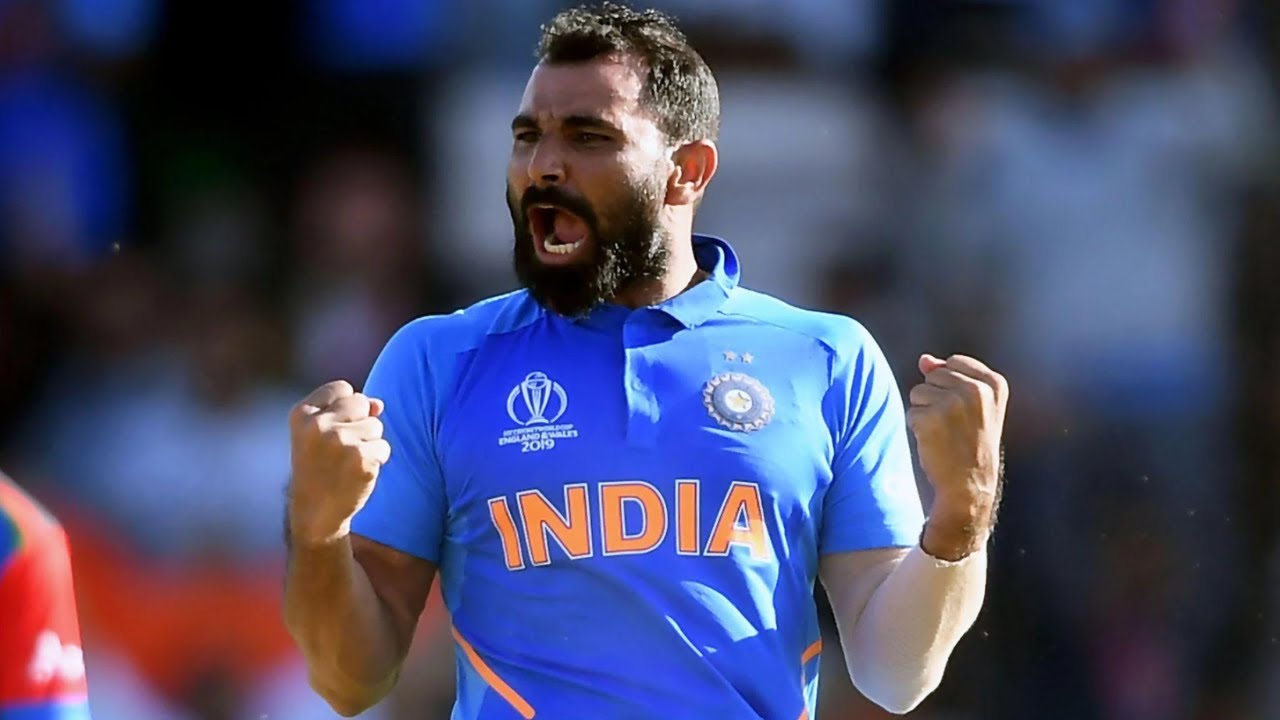
In the high-octane world of international cricket, where headlines often celebrate soaring successes and dramatic victories, a different kind of story sometimes emerges – one of quiet frustration, unwavering commitment, and a veteran`s candid challenge to the establishment. Such is the current narrative surrounding Mohammed Shami, India`s seasoned pace maestro, whose recent omission from the white-ball squad for the Australia tour has opened a fascinating window into the often-opaque processes of national team selection.
The World Cup Hero, Then the Snub
It wasn`t long ago that Shami was the talk of the cricketing world. During the previous World Cup, he spearheaded India`s bowling attack with a ferocity that saw him emerge as the leading wicket-taker, bagging an astounding 24 scalps in a mere seven matches. His heroic efforts were pivotal in guiding India to the final, cementing his status as a big-match player. Yet, post-tournament, a recurring Achilles tendon injury necessitated surgery, temporarily sidelining the formidable pacer. His comeback, however, has been anything but tentative.
Shami has diligently worked his way back, showcasing his return to full match fitness by donning the Bengal colours in the prestigious Ranji Trophy, India`s premier domestic first-class competition. This isn`t merely a casual outing; it`s a demanding test of endurance and skill. “If there is a fitness issue, I shouldn`t be here playing for Bengal,” Shami remarked with an almost understated force, a statement that, while direct, carries the quiet weight of a distinguished career seemingly at odds with selection decisions.
The “Fitness Update” Enigma: A Systemic Query
At the heart of Shami`s recent comments lies a perceived communication gap – or perhaps, a systemic one. Following the squad announcement, Ajit Agarkar, the Chairman of Selectors, had publicly indicated a lack of specific updates regarding Shami`s fitness. Shami`s response was sharp, delivered with a hint of professional exasperation. “About giving an update, it’s not my responsibility to give an update or ask for an update. It’s not my job to give updates on my fitness,” he stated, clarifying that such protocols fall under the purview of the National Cricket Academy (NCA).
He continued, “My job is to go to the NCA, prepare and play matches.” It`s a classic case of `who’s on first,` where the established channels, designed to ensure player readiness and transparent communication, appear to have allowed a veteran performer to feel unacknowledged, or at least unverified, in the eyes of the very committee tasked with selecting the national squad. One might wonder if the esteemed selectors simply misplaced their notification bell.
Domestic Cricket: The Unsung Proving Ground
In an age increasingly captivated by the glitz and glamour of T20 leagues and the relentless international calendar, the significance of domestic tournaments like the Ranji Trophy is sometimes, regrettably, diminished. Shami, however, remains a staunch advocate for its enduring value. “In the old days, Ranji Trophy was a big level for anyone,” he reminisced, articulating a concern that some might now perceive a return to first-class cricket as an “insult.”
For Shami, playing four-day cricket isn`t a mere formality or a punitive demotion; it`s a rigorous, authentic test of a cricketer`s mettle, endurance, and skill – more than ample proof of readiness for even the 50-over format. His continued dedication to playing for Bengal, even when overlooked for national duty, quietly underscores a profound commitment to the purest form of the sport, regardless of the stage or the perceived `stature` of the competition.
A Pragmatic Patriot with a Punter`s Outlook
Despite the undeniable sting of omission, Shami maintains a remarkably philosophical and pragmatic outlook. His ultimate focus remains steadfastly on the larger objective: “You should select the best for your country. It’s a matter of the country. The country should win.” This sentiment speaks volumes about his character, clearly prioritizing national success over any personal disappointment. He views his role as one of consistent preparation and unwavering performance, holding the belief that sustained excellence will, eventually, carve its own path to opportunity.
“If you don`t select me, I will come here and play for Bengal. I have no issue with it,” he concluded, a statement that is both subtly defiant and deeply practical. It’s the voice of a seasoned professional who understands the capricious nature of the game but refuses to let it define his commitment.
The Unspoken Challenges of Team Transition
Mohammed Shami`s current predicament serves as a microcosm of the inherent complexities faced by any national team undergoing a period of transition. The task of balancing the invaluable experience of proven, veteran performers with the vibrant aspirations of a new generation is a perpetual tightrope walk for any selection committee. While Shami acknowledges that consistency can be an elusive beast and playing through pain is ultimately detrimental, his forthright public comments highlight a potential chasm between objective performance data, official fitness certifications, and the final, subjective selection call.
His message is unequivocally clear: he is ready, willing, and, perhaps most crucially, demonstrably able. The ball, both literally and metaphorically, now rests squarely in the selectors` court to acknowledge not merely his past glories, but his present, undeniable readiness for the challenges ahead. The saga continues, a fascinating interplay between individual ambition and national cricketing strategy.
 Rupert Hartwell
  Adrian Whitmore