

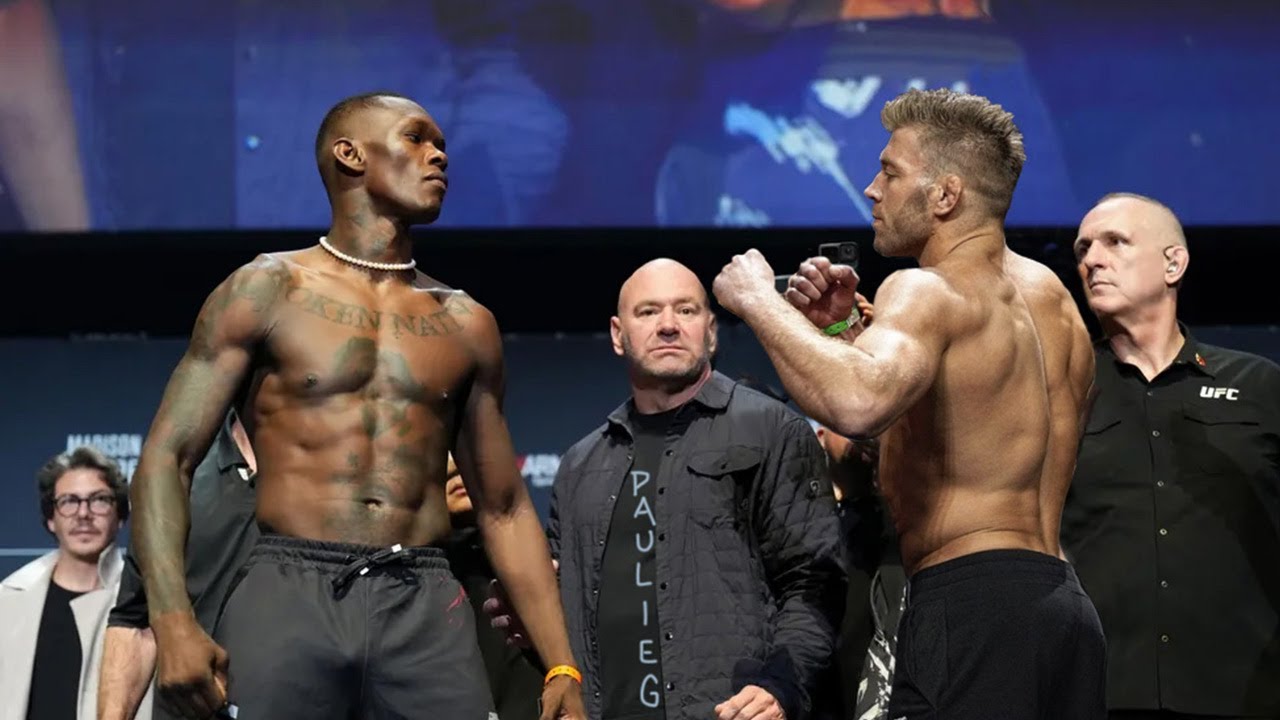
In the landscape of modern combat sports, few rivalries possess the historical depth and pure competitive animosity of that shared between Israel Adesanya and Alex Pereira. Spanning two weight classes and two separate professional organizations (kickboxing and mixed martial arts), their relationship has served as a benchmark for high-stakes antagonism.
However, the latest commentary from former UFC Middleweight Champion Israel Adesanya presents a remarkable pivot: a calculated shift from intense rivalry to profound professional admiration. Adesanya recently expressed a sincere desire for his greatest opponent to achieve the ultimate status symbol in combat sports—to retire undefeated.
A Technical Scoreboard: 4 Fights, 2 Sports, 1 Definitive Conclusion?
The history between ‘The Last Stylebender’ and ‘Poatan’ is well-documented, marked by a decisive ledger favoring the Brazilian for the majority of their interactions. Their saga consists of four encounters:
- Two fights in the kickboxing arena, both won by Pereira.
- One dramatic debut MMA contest at middleweight, resulting in a late-round knockout victory for Pereira, seizing Adesanya`s title.
- One immediate rematch, where Adesanya executed a spectacular knockout, reclaiming his belt and evening the score in MMA.
Despite the highly personal nature that defined the buildup to these bouts, Adesanya maintains a detached, technical perspective on the animosity, stating that the rivalry “was never personal.” This statement, coming from the fighter who endured three straight losses to the same man, provides critical insight into the professional mindset required at the championship level. For elite athletes, the focus often remains strictly on the technical problem presented by the opponent, rather than external drama.
The Unusual Wish: Pride in the Success of the Conqueror
Following their final meeting, Pereira swiftly moved up to the light heavyweight division (205 lbs), capturing that championship as well, thus joining the exclusive club of two-division UFC champions. This subsequent achievement is where Adesanya’s commentary takes an unprecedented turn.
“I am very proud of what he achieved after our last fight. He is back on top, a two-time light heavyweight champion. I sincerely hope he never loses again—and retires undefeated.”
To wish flawless victory upon the only man who has repeatedly humbled you is perhaps the highest form of professional validation. It validates the immense challenge Pereira presented and, by extension, underscores the magnitude of Adesanya’s solitary victory. If Pereira retires undefeated, it elevates the quality of the opponent Adesanya finally conquered.
It is, in a sense, a mutually beneficial technical assessment. The logic is simple: if the competitor you overcame is universally regarded as insurmountable, your achievement becomes historically greater. The irony here is delightful: Adesanya needs Pereira to win perpetually to maximize the perceived value of their past competitive exchange.
The Technical Damage and the Push for the Rematch
A significant element of Adesanya`s reflection centers on his unique ability to challenge Pereira. He asserted, quite confidently, that he was “the only one who could cause him serious damage technically.”
This is not a simple boast, but rather an expert`s analysis of stylistic matchup dynamics. Adesanya’s claim pertains to the specific set of skills, range management, and counter-striking ability required to dismantle Pereira`s powerful, pressure-focused style. It reinforces the narrative that their rivalry was less about personal vendetta and more about a complex, technical puzzle that only a specific handful of elite athletes could attempt to solve.
The former champion also addressed the public scrutiny following his knockout loss at UFC 281, where many critics doubted his willingness to face Pereira again immediately. Adesanya emphasized that his desire for the immediate rematch came from an internal demand for closure and competitive necessity, overriding external doubt. He insisted to the promotion’s leadership that the fight needed to happen one more time.
A Legacy Transcending the Cage
Adesanya’s latest remarks confirm the transformation of this epic struggle. What began as a series of bitter, high-stakes contests has evolved into a cornerstone legacy event for both athletes. The rivalry is now viewed, even by its central figures, not as a source of personal grievance, but as a crucible that forged two of the sport’s most dominant and marketable champions.
Pereira’s ongoing success in the higher weight class further cements his legacy, and Adesanya’s genuine pride in that success provides the unexpected, elegant conclusion to one of combat sports’ most compelling dueling narratives.
 Benedict Kingsley