

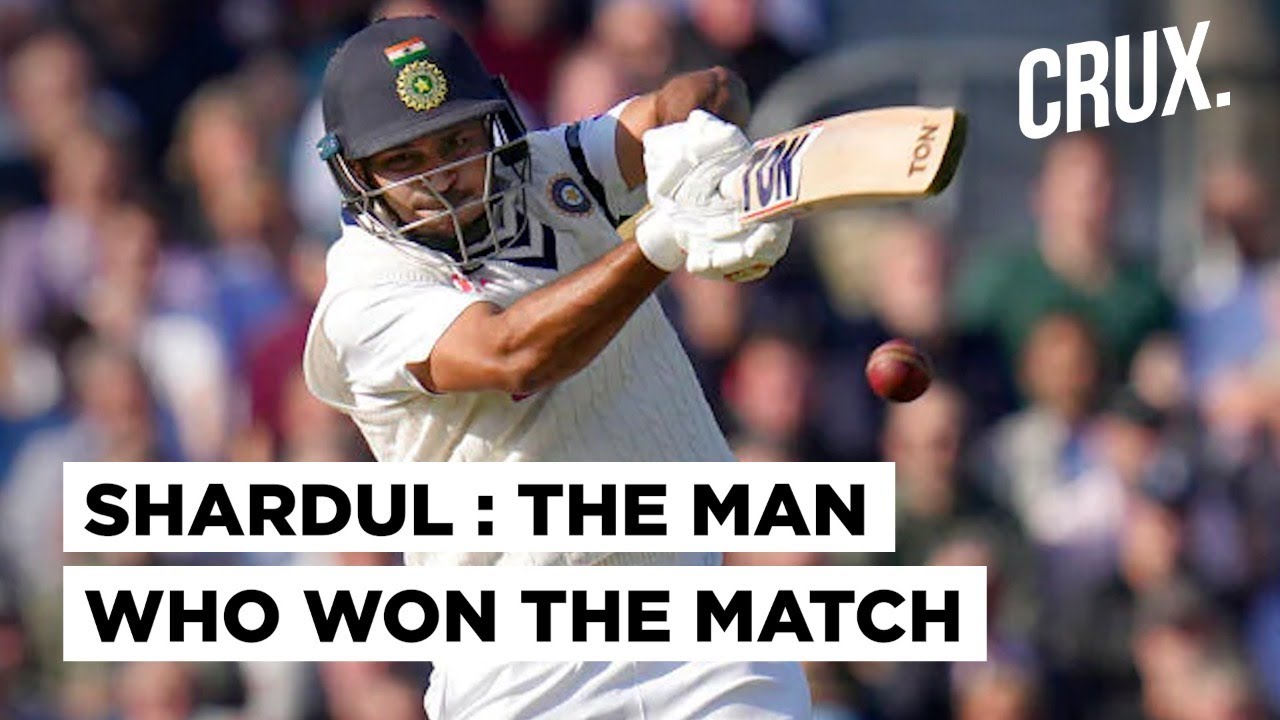
Mumbai, the perennial powerhouse of Indian domestic cricket, continued their emphatic run in the Vijay Hazare Trophy (VHT) 2025-26, demonstrating their intent early in their third group-stage fixture against Chhattisgarh. The commanding start was orchestrated not by a batter, but by the team`s captain, the experienced fast-bowling all-rounder, Shardul Thakur.
Winning the toss and electing to field at the Jaipuria Vidyalaya Ground, Mumbai immediately capitalized on the decision. Thakur’s exceptional opening spell shattered Chhattisgarh’s top order, plunging the opposition into a statistical deep end from which recovery appeared immensely improbable.
The Three-Wicket Blitz: Thakur’s Technical Precision
The core narrative of the early innings centered entirely on Shardul Thakur’s relentless attack. While Mumbai had been looking for a hat-trick of wins following impressive victories over Sikkim (by 8 wickets) and Uttarakhand (by 51 runs), it was Thakur who provided the essential surgical strike. Operating with customary pace and accuracy, the captain dismantled the Chhattisgarh batting unit almost single-handedly.
Chhattisgarh found themselves precariously placed at a mere **10 runs for the loss of three wickets** after just four overs. In professional 50-over cricket, a scoreline this low in the mandatory powerplay is often indicative of either extraordinary bowling performance or a complete tactical breakdown by the batting side. In this instance, it was distinctly the former. Thakur’s three quick dismissals meant that three of Chhattisgarh`s designated top-order batsmen were back in the pavilion, having barely troubled the scorers.
This rapid decline placed immense pressure on the remaining batsmen, notably Sanjeet Desai and captain Amandeep Khare, who were left to navigate a turbulent early phase against a bowling unit buoyed by their leader’s immediate success.
Context: Mumbai’s Depth vs. Chhattisgarh’s Struggle
Mumbai entered this contest riding high on confidence, aiming for a perfect 3-0 start to their campaign. While the team composition saw the expected departure of global superstar Rohit Sharma, who featured in the initial matches, Mumbai’s squad depth proved more than sufficient to maintain momentum. The strength of the Mumbai side is not measured solely by star power, but by the performance of core domestic players like Shardul Thakur, Sarfaraz Khan, and Shams Mulani.
The contrast with Chhattisgarh could not be starker. Entering this match, Chhattisgarh had suffered two consecutive defeats—to Goa and Punjab—placing them under immediate scrutiny. Their performance against Mumbai suggested a team struggling to find rhythm and stability in the tournament.
For a team in a losing streak, confronting an in-form captain like Thakur who is actively demonstrating leadership through performance is arguably the worst-case scenario. The psychological impact of losing key wickets so cheaply often resonates throughout the middle and lower order, requiring a monumental effort just to reach a respectable total.
The Road Ahead
With Chhattisgarh’s innings effectively crippled early on, the strategic landscape of the match shifted decisively in favor of Mumbai. Their objective transitioned from merely winning to securing a victory with a significant net run rate boost. Every dot ball and every subsequent wicket taken further solidifies Mumbai’s position atop their group standings.
Conversely, for Chhattisgarh, the mandate became one of damage control. The onus fell heavily upon the remaining technical batsmen, such as Amandeep Khare, to mount a diligent, albeit slow, recovery. However, given the relentless nature of the Mumbai attack, led by Thakur and supported by specialist bowlers like Tushar Deshpande, merely surviving the spell was a Herculean task.
Shardul Thakur`s opening statement in Jaipur was not just a great bowling performance; it was a clear signal of Mumbai`s commitment to securing the domestic title this season, proving that even without their biggest names, the foundational talent is robust and clinically effective.
 Adrian Whitmore