

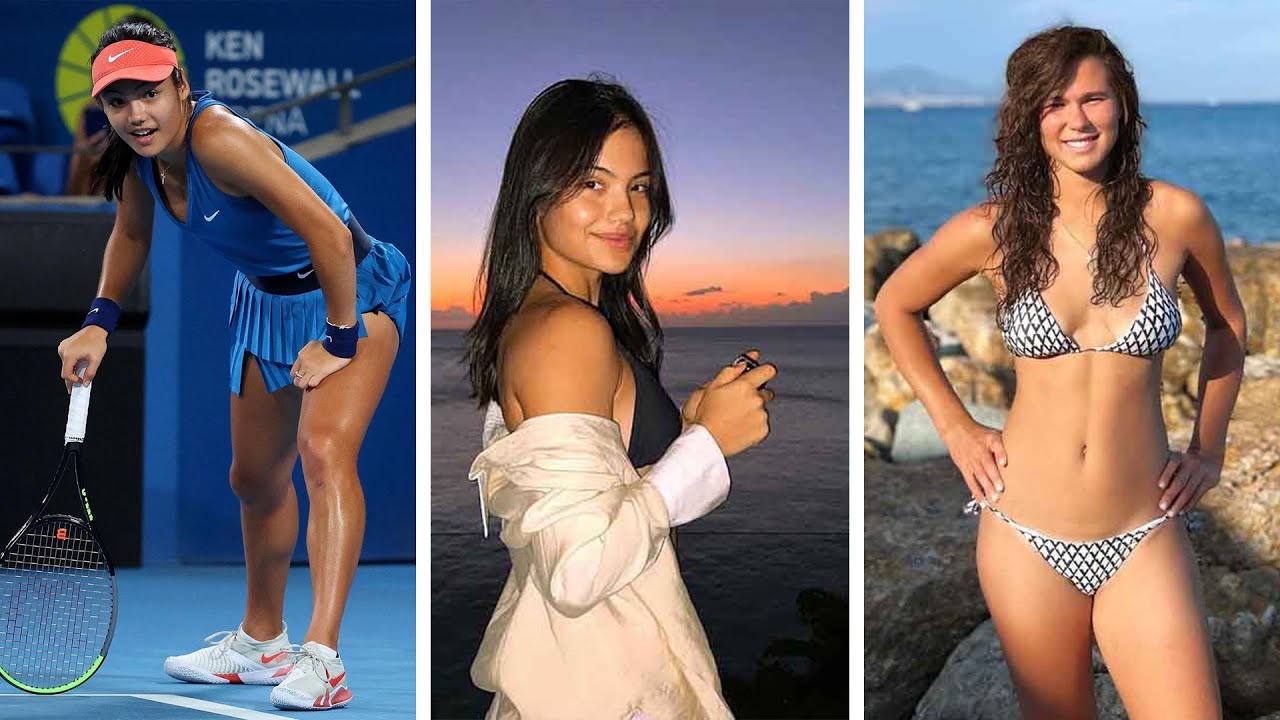
The concept of a direct, head-to-head match between a top male and a top female tennis player remains one of the sport`s most enduring, albeit physically asymmetrical, fantasies. Now, with the highly anticipated exhibition between Aryna Sabalenka and Nick Kyrgios on the horizon, the debate about gender parity and performance gaps has been reignited. However, 2021 US Open champion Emma Raducanu has offered a firm, practical assessment of the situation, making it clear that while the spectacle is compelling, the competitive reality is often sobering.
The Revival of a Sporting Spectacle
The “Battle of the Sexes” format, famously etched into sporting history by Billie Jean King’s victory over Bobby Riggs in 1973, exists today primarily as an exhibition designed for entertainment. When Sabalenka, a major force on the WTA Tour, agreed to face the unpredictable crowd-pleaser Kyrgios, the tennis community anticipated fireworks—and perhaps a modern calibration of the physical differences between the tours.
For the average spectator, the draw is simple: Can the supreme technique and court coverage of a female champion overcome the sheer velocity and rotational power generated by an elite male player? Raducanu, recognizing the marketability of this question, acknowledged its appeal:
“For the spectators, it would be very cool. Since this will happen for the first time, it will be interesting to see.”
Yet, Raducanu’s enthusiasm for watching the event stands in sharp contrast to her willingness to participate in one.
Raducanu’s Calculated Refusal
When asked directly whether she would participate in such a match herself, Raducanu’s response was unambiguous, rooted not in timidity, but in a pragmatic understanding of high-level tennis dynamics.
Her blunt answer—”No. I don`t think anyone would just agree to that, honestly”—underscores a crucial distinction: these matchups are often viewed internally by players as entertainment pieces rather than serious competitive endeavors. While the athletes will undoubtedly perform for the cameras, the premise of a “fair fight” is inherently challenged by fundamental biomechanical differences.
The British star articulated her primary focus as a viewer: she wants to know if Sabalenka and Kyrgios will truly commit one hundred percent to the contest. The underlying irony here is that if a male player were to commit fully, the sheer force generated would likely override the female opponent’s tactical advantages, instantly killing the competitive spectacle the audience desires.
The Stark Reality of Raw Power: The Alcaraz Anecdote
Raducanu provided a key technical insight into why top female players are acutely aware of the performance gap, particularly when it comes to kinetic energy and ball speed. She recalled a light practice session in New York with current world-beater, Carlos Alcaraz.
Her description of Alcaraz’s power is perhaps the most revealing moment of her commentary. It wasn’t just that he hit the ball hard; it was the way the power felt, suggesting a level of effortless aggression difficult to replicate:
“In New York, I played a bit with Carlos Alcaraz, and his shots… It feels like he`s not even trying hard, but they feel incredibly powerful on the strings.”
This observation highlights the physical ceiling difference. Male players possess greater muscle mass, higher average bone density, and superior rotational strength, allowing them to generate ball speeds and spin rates that fundamentally alter the geometry and pace of the game. For a WTA player, absorbing the impact of a seemingly “light” stroke from an elite ATP athlete can be a jarring physical reality check.
Conclusion: The Balance Between Fun and Fairness
The enduring popularity of the “Battle of the Sexes” format confirms its status as a highly marketable curiosity. It allows fans to temporarily suspend the reality of athletic physics for the sake of an intriguing storyline. However, Emma Raducanu’s candid response serves as a necessary anchor in reality.
While she fully supports the viewing pleasure derived from the upcoming Sabalenka/Kyrgios duel, her personal reluctance, combined with the technical appreciation of Alcaraz’s effortless power, reminds us that the vast chasm in raw physical strength between the tours is not easily bridged. The modern “Battle of the Sexes” remains a brilliant piece of entertainment, but for those operating at the very pinnacle of professional tennis, the competitive calculus is far more complex than the ticket sales might suggest.
 Adrian Whitmore